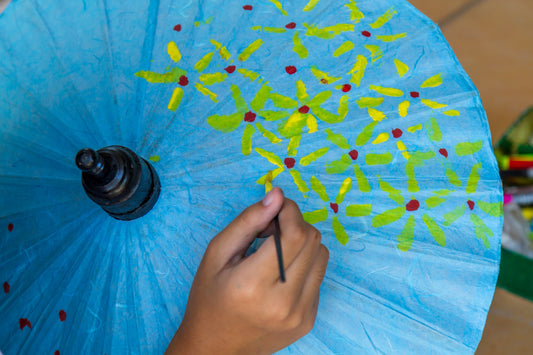
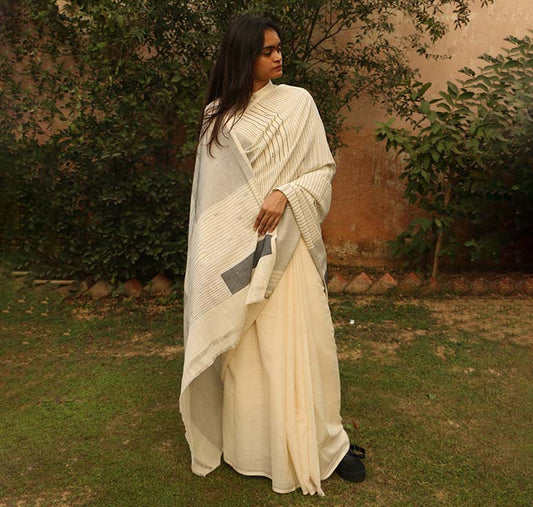
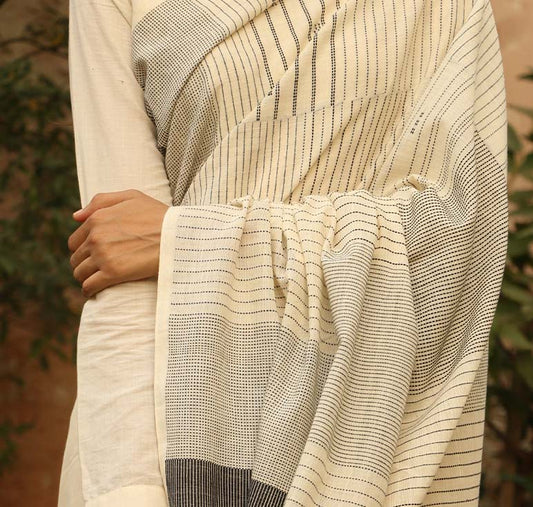
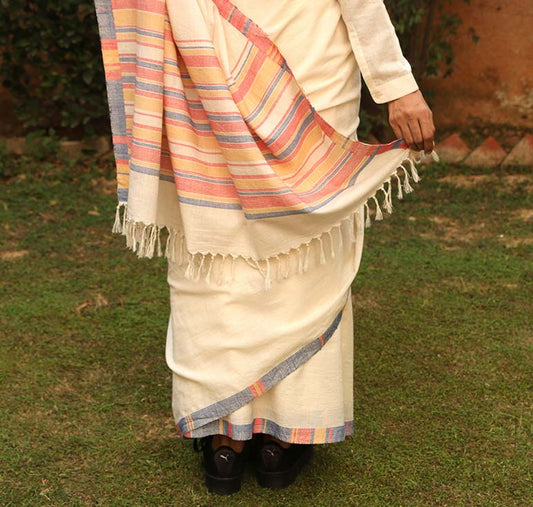

India has a long-standing tradition of artistic expression, yet many consumers today are increasingly surrounded by mass-produced decor and factory-made products. This shift has created a gap between modern lifestyles and traditional craftsmanship.
This article addresses a key question: what makes artworks in India unique, and why do they still matter today? By understanding different art forms, their origins, and their applications, you can make more informed and meaningful choices when it comes to design, decor, and lifestyle.
What Are Artworks in India?
Artworks in India refer to a wide range of handmade creations, including paintings, textiles, handicrafts, and decorative items. These are typically produced by skilled artisans using techniques that have been preserved over generations.
Unlike machine-made alternatives, these artworks carry cultural identity, craftsmanship, and individuality, making each piece distinct.
Types of Artworks in India
India’s artistic diversity is reflected in its regional art forms. Below are some of the most recognized and widely used artworks.
Madhubani Art
Madhubani art is a traditional painting style from Bihar known for its intricate patterns and use of natural colors.
It commonly illustrates themes from mythology, nature, and everyday life through detailed, hand-drawn designs.
This art form is widely used in wall decor and contemporary handmade products.
Warli Art
Warli art is a tribal art form from Maharashtra created using simple white figures on earthy backgrounds.
It represents daily life, rituals, and the relationship between humans and nature using minimalistic patterns.
Its simplicity makes it suitable for modern, minimal interiors.
Pattachitra Art
Pattachitra is a traditional cloth-based painting style from Odisha characterized by mythological storytelling and fine detailing.
It is known for bold outlines, natural colors, and structured compositions rooted in heritage.
These artworks are often used as statement decor pieces.
Sikki Grass Products
Sikki grass art involves weaving fine natural grass into decorative and utility items such as baskets and boxes.
It is an eco-friendly craft from Bihar valued for its sustainability and intricate craftsmanship.
These products are increasingly used in conscious and sustainable home decor.
Sabai Grass Products
Sabai grass products are handcrafted items made from strong natural fibers, commonly used for baskets and storage solutions.
They are known for durability, clean design, and environmentally friendly production.
They offer both functional and aesthetic value in modern homes.
Bawanbutti Weaving
Bawanbutti is a traditional weaving technique from Bihar recognized for its detailed motifs integrated into fabrics.
It reflects cultural narratives through precise craftsmanship and symbolic patterns.
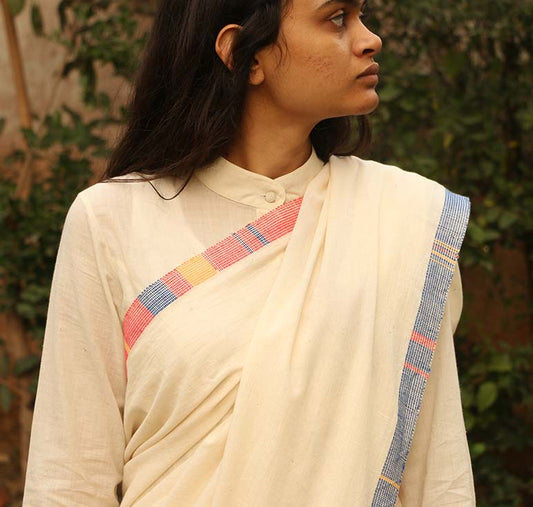
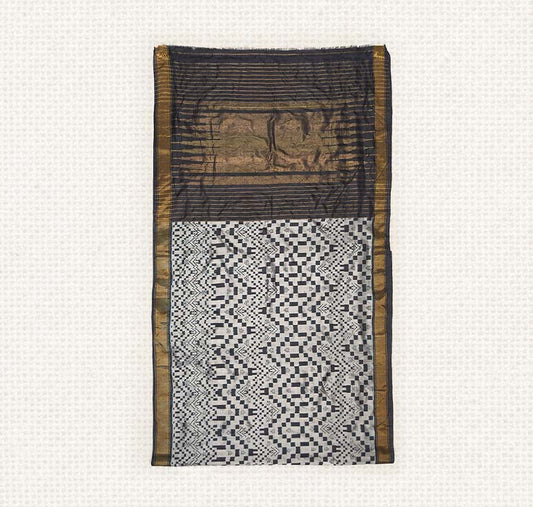
This weaving style is commonly used in sarees and premium textiles.
Paper Mache Art
Paper mache art involves shaping paper pulp into decorative objects and finishing them with detailed hand painting.
It is widely practiced in Kashmir and is known for its lightweight structure and artistic detailing.
These items are popular for gifting and home decoration.
Terracotta Art
Terracotta art involves molding natural clay into sculptures and decorative pieces, followed by firing for durability.
It is one of the oldest art forms in India, often reflecting rural themes and traditional lifestyles.
These products are suitable for both indoor and outdoor decor.
Wooden Handicrafts
Wooden handicrafts include carved decorative items, furniture, and sculptures made by skilled artisans.
They are valued for durability, fine detailing, and traditional woodworking techniques.
They add depth and warmth to interior spaces.
Handmade vs Machine-Made Artworks
| Feature | Handmade Artworks | Machine-Made Products |
|---|---|---|
| Uniqueness | Individual pieces | Mass-produced |
| Craftsmanship | High | Standardized |
| Cultural Value | Strong | Limited |
| Sustainability | Often eco-friendly | Industrial processes |
Handmade artworks offer greater authenticity and long-term value compared to mass-produced alternatives.
Why Artworks in India Stand Out
Artworks in India continue to hold significance due to several key factors:
- Strong cultural and historical roots
- Skilled artisan involvement
- Use of natural and sustainable materials
- Regional diversity in styles and techniques
These aspects contribute to their growing demand in both domestic and international markets.
Role of Artworks in Modern Homes
Artworks are increasingly being integrated into contemporary living spaces, not just as decorative elements but as functional design components.
Common applications include:
- Wall decor and focal pieces
- Table and shelf styling
- Storage and utility items
- Fashion and personal accessories
Combining traditional art with modern interiors creates a balanced and distinctive aesthetic.
How to Choose the Right Artwork
Selecting the right artwork requires a thoughtful approach:
- Align the artwork with your interior style
- Prioritize handmade and authentic products
- Consider sustainability and materials used
- Choose pieces based on purpose (decorative or functional)
This ensures both visual appeal and long-term value.
Frequently Asked Questions
What are the most popular artworks in India?
Madhubani, Warli, Pattachitra, and various handicrafts are among the most recognized art forms.
Why are handmade artworks preferred?
They offer uniqueness, better craftsmanship, and support traditional artisans.
Are Indian artworks suitable for modern interiors?
Yes, they integrate well with contemporary design and add cultural depth.
Conclusion
Artworks in India represent a blend of tradition, craftsmanship, and evolving design. From detailed paintings to eco-friendly handicrafts, these art forms continue to adapt while preserving their cultural essence.
As consumer preferences shift towards sustainability and authenticity, Indian artworks are becoming increasingly relevant. Choosing handmade art not only enhances your living space but also contributes to the preservation of traditional skills and artisan communities.
For anyone looking to incorporate meaningful design into their lifestyle, Indian artworks offer both aesthetic and cultural value.
Tags: